Cobully Font: Modern Script for Small Business Branding
As a small business owner, I know that every visual touchpoint matters. From the logo on my website header to the thank-you card tucked inside a package, typography communicates my brand’s personality before a customer even reads a single word. Finding a typeface that feels both professional and authentically human is often the biggest design challenge. This is where the Cobully font becomes an invaluable asset for entrepreneurs, creators, and boutique owners looking to elevate their visual identity without hiring an expensive agency.
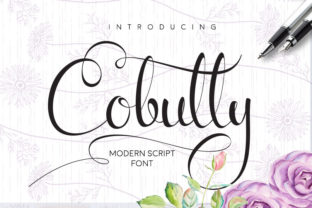
Cobully is a fresh, modern script font that strikes a difficult balance between elegance and approachability. Unlike stiff, traditional calligraphy that can feel outdated or overly formal, Cobully features a sweet calligraphy style with a dancing baseline that adds movement and energy. The decorative characters provide just enough flair to make headlines pop, while the overall structure remains legible enough for commercial use. For businesses in creative industries like baking, beauty, coaching, or handmade goods, this typeface offers a premium look that builds immediate trust and recognition.
Elevating Product Packaging and Labels
Packaging is often the first physical interaction a customer has with your brand, and the font choice dictates the perceived value of the product. Cobully excels in packaging design because its expressive nature suggests craftsmanship and care. When designing labels for handmade candles, artisanal jams, or organic skincare, this script font signals that the product was made with intention rather than mass-produced in a factory.
However, practical application requires restraint. While Cobully is beautiful, it is primarily a display font. On a 2x3 inch product label, using it for the entire ingredient list would be a readability disaster. Instead, use Cobully for the product name or a short tagline like "Hand-Poured Soy" or "Small Batch." Pair it with a clean sans serif font for the technical details, ingredients, and usage instructions. This hierarchy ensures your packaging looks sophisticated on a shelf while remaining compliant and easy to read. The dancing baseline of Cobully draws the eye to the most important information first, guiding the customer’s attention exactly where you want it.
Creating Consistent Social Media Visuals
In the digital space, consistency breeds familiarity. When scrolling through Instagram or Pinterest, customers should recognize your content instantly. Cobully serves as an excellent anchor for social media graphics because its unique character shapes are distinct from standard system fonts. Using this creative font for quote overlays, announcement banners, or promotional stories helps establish a cohesive aesthetic across your feed.
For service-based entrepreneurs like photographers, wedding planners, or life coaches, social media is often the primary marketing channel. A generic template can make your business blend into the background. By incorporating Cobully into your Instagram story templates or Pinterest pin titles, you inject personality into your digital presence. Just remember to test readability on mobile screens. Because the baseline dances, ensure there is adequate line height so the ascenders and descenders do not collide with text above or below. High contrast is also essential; white Cobully text on a dark, muted background often performs better in thumbnails than low-contrast pastels.
Strengthening Brand Identity Through Logo Design
Your logo is the cornerstone of your brand identity, and choosing the right typeface is critical for long-term success. Cobully works exceptionally well for logotypes in industries that value warmth, femininity, creativity, and personal connection. A bakery named "Sweet Crumb" or a floral studio called "Wild Petal" benefits immensely from this font’s organic flow. It avoids the coldness of geometric sans serifs while steering clear of the illegibility found in some overly complex handwritten fonts.
When using Cobully for logo design, consider utilizing its alternate characters and ligatures. These decorative elements allow you to customize the wordmark so it feels bespoke rather than typed. However, always view your potential logo at various sizes. A logo must work as a tiny favicon on a browser tab and as large signage on a storefront. If the intricate details of the calligraphy disappear at small sizes, you may need to simplify the lettering or reserve Cobully for secondary branding elements while using a sturdier serif font for the primary logomark.
Practical Font Pairing Strategies
No font exists in isolation. To make Cobully shine in your business materials, you must pair it effectively. As a rule of thumb, expressive script fonts need grounding partners. Here are three practical pairing strategies for small business owners:
- The Modern Minimalist: Pair Cobully with a geometric sans serif font. The clean lines of the sans serif provide a neutral canvas that lets the script’s personality take center stage. This combination works beautifully for tech-forward creative businesses or modern e-commerce sites.
- The Classic Elegant: Combine Cobully with a traditional serif font. This pairing evokes heritage, luxury, and timelessness. It is ideal for high-end boutiques, wedding stationery, or luxury spa branding where you want to convey established quality.
- The Functional Support: Use a simple monospaced or condensed font for data-heavy elements like pricing tables, menus, or spec sheets. Let Cobully handle the emotional headers while the utilitarian font handles the facts. This prevents visual fatigue and improves the user experience on websites and printed menus.
Navigating Commercial Licensing and Usage
One aspect of typography that many new entrepreneurs overlook is licensing. Before you print 500 boxes or launch your new website, verify the commercial license for Cobully. Fonts are intellectual property, and using a personal-use-only license for business materials can lead to legal issues. Most reputable font marketplaces and foundries offer clear commercial licenses that cover products, packaging, web embedding, and client work.
If you plan to use Cobully in editable templates for sale (like Canva templates or digital planners), check if an extended license is required. Standard commercial licenses typically cover end-products but may restrict redistribution of the font file itself within a template. Investing in the correct license upfront protects your business and supports the type designer who created the asset. It also ensures you have access to the full character set, including the special alternates that make Cobully so versatile for professional branding.
Testing Before Committing to a Rebrand
Adopting a new typeface is a significant business decision. Before rolling out Cobully across every platform, conduct real-world tests. Print out mockups of your business cards and labels at actual size. Screen readability varies wildly from print; what looks crisp on a 27-inch monitor might look muddy on a phone screen or when printed on textured paper.
Create a sample Instagram post and ask for feedback from your target audience or peers. Does the font align with your brand voice? Is it legible in a thumbnail? Does it feel consistent with your existing photography and color palette? Typography is not just about aesthetics; it is a functional tool for communication. Cobully offers a wonderful opportunity to add warmth and distinction to your small business, provided it is applied with strategic intent and practical foresight. By treating this font as a core component of your business infrastructure rather than just a decorative afterthought, you build a brand that feels both polished and deeply personal.